
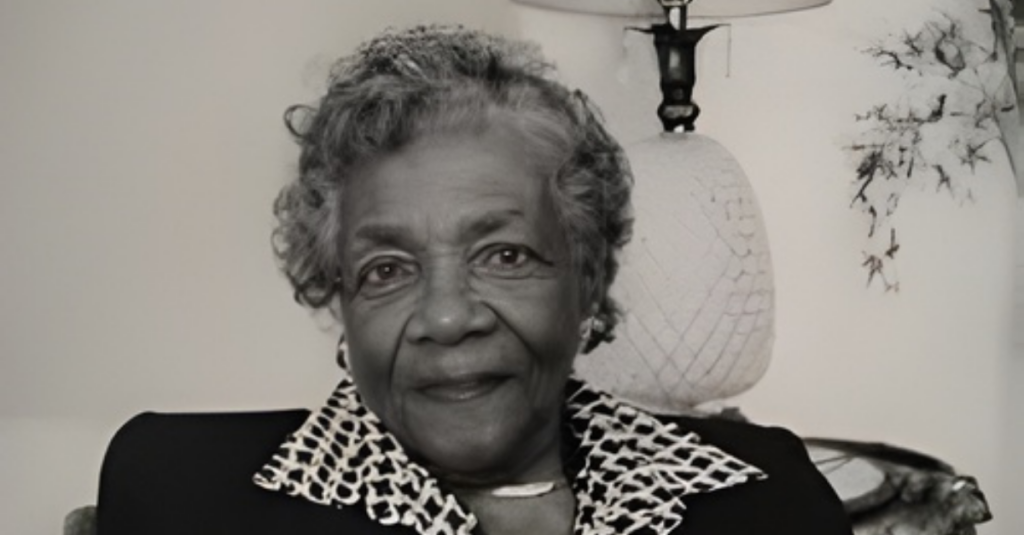
There are parts of history that do not stay in the past. They move quietly, carried in memory, in land that was never returned, in names that were nearly lost, and in the stories families held onto even when the world refused to.
What happened in Tulsa in 1921 did not end when the fires burned out. It continued in what families were forced to leave behind and in what they chose, or were forced, to carry forward.
For descendants of the Tulsa Race Massacre, inheritance has never been simple. It is not only what was passed down, but also what was taken, what was hidden, and what had to be remembered without record.
Some carried forward land without documentation. Others carried forward stories without proof. Many carried forward silence, not because there was nothing to say, but because it was not safe to say it.
That silence shaped generations, teaching families to hold their history close, to pass down names carefully, and to tell stories in fragments.
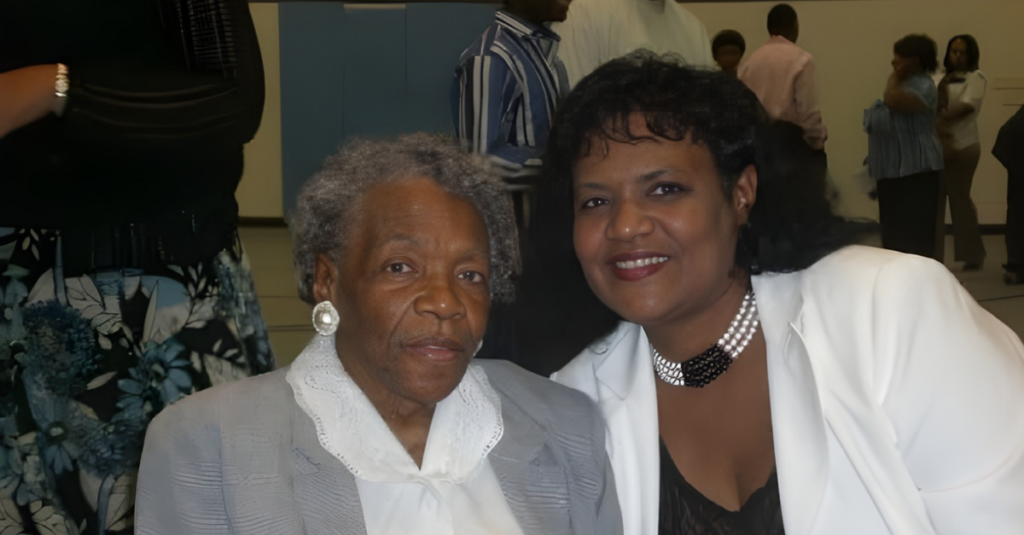
In one family, that continuity lived through Thelma.
Her story, like so many others, did not begin in archives or official records. It lived first in what was shared at home, in what was remembered, and in what was carried forward long before anyone came asking questions.
Through her daughter, Lenda Eubanks Knight, those memories were not only preserved but spoken. What had once been held within the family became part of a larger record, not because it was newly discovered, but because someone chose to listen.
That distinction matters. So much of what we understand about the Tulsa Race Massacre today exists because descendants refused to let their history disappear.
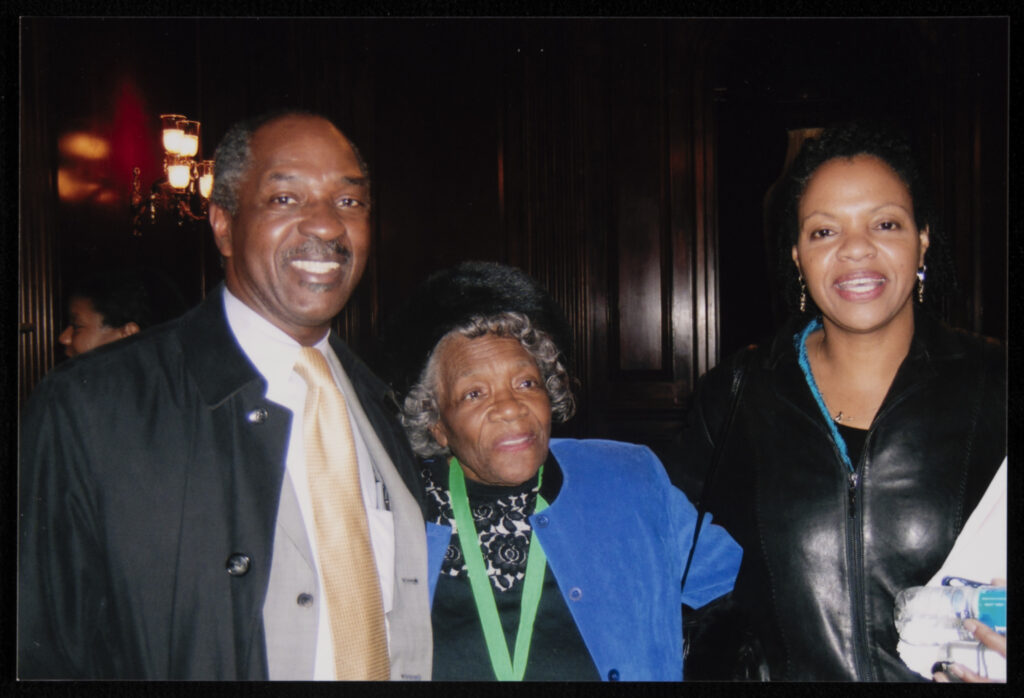
Long before institutions began to acknowledge what happened, families were already doing the work of preservation on their own.
They were the archive.
That is often where the story begins. Not in official documents, but in lived memory, in conversations at kitchen tables, in names written in the margins of family Bibles, in photographs without captions, in stories repeated until they became part of identity.
This is what has been carried forward. Not just history, but responsibility.
Across generations, descendants have continued to hold onto what remains. They have filled in gaps where records were denied, asked questions where there were no answers, and worked to reconnect what was deliberately separated.
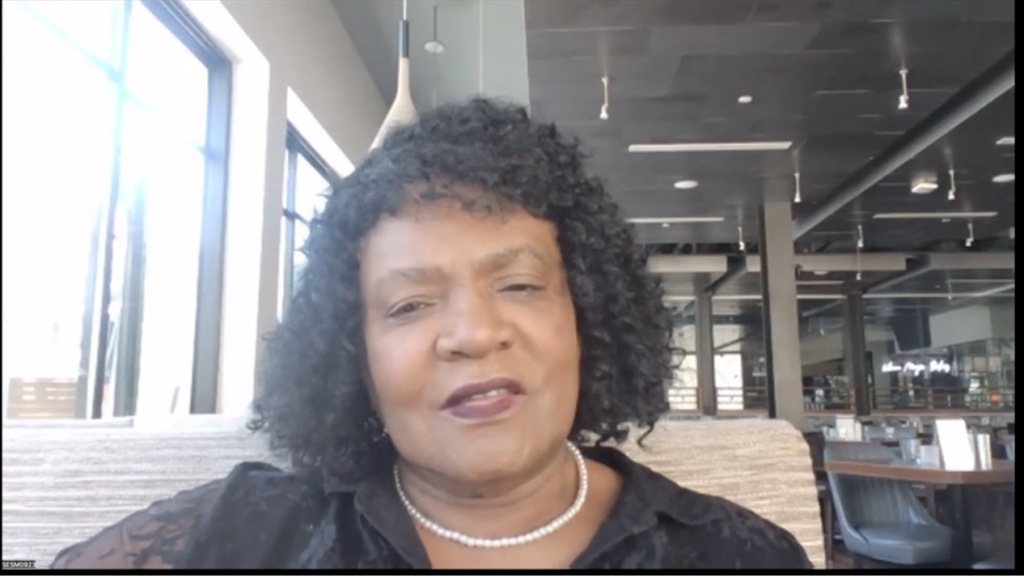
In doing so, they have made it possible for a fuller story to exist. Not a version that begins and ends in 1921, but one that traces what came before and what continues after.
Today, that work is still ongoing.
Each story shared adds to a record that was once kept hidden. Each family that comes forward challenges what was left out. Each piece of documentation, whether written or spoken, helps restore what was disrupted.
This is not about looking back for the sake of reflection alone. It is about understanding what was carried forward, and what it still requires of us now.
If you believe your family may be connected to the Tulsa Race Massacre, there is still more to uncover. There are stories that have not yet been told, records that have not yet been found, and histories that still live within families waiting to be documented.