
On the Anniversary of the Tulsa Race Massacre, a Community Turned to Genealogy to Tell the Stories of Us
Black genealogy is more than a personal pursuit—it’s a method of survival, a legal tool, and a means of accountability. At Justice For Greenwood, we support descendants of the Tulsa Race Massacre as they uncover family histories, reconnect severed ties, and reclaim what systemic violence tried to erase.
For generations, Black families in America have had to piece together their history from what little was left behind. The stories passed down around kitchen tables. The names handwritten in family Bibles. The whispered memories of places, people, and homes no longer standing.
After centuries of enslavement, displacement, and racial terror, traditional archives often tell an incomplete story—or no story at all—for Black Americans. In communities like Greenwood, the losses were compounded by fire. What wasn’t looted was incinerated. Lives, property, and records gone overnight.
In this context, genealogy is not just a form of record-keeping. It’s a declaration: we were here. It is a refusal to accept erasure. It’s how we reconstruct the truth and protect it for future generations.
Genealogy as a Tool for Justice
Justice For Greenwood was founded with a clear mission—to restore what was taken and to secure reparations for survivors and their descendants. But the fight for reparative justice cannot begin without clarity about who has been harmed. That’s why our work begins with genealogy.
Through our We Are Greenwood program, we’ve completed genealogical research for more than 230 descendants of the 1921 Tulsa Race Massacre. We’ve collected over 70 oral history interviews. In partnership with world-renowned genealogists and legal experts, we help families confirm lineage, preserve legacy, and build the foundation needed for legal recognition and long-term restitution.
Genealogy does more than fill in the blanks. It reestablishes connections—between names and faces, past and present, harm and accountability. And in doing so, it lays the groundwork for healing.
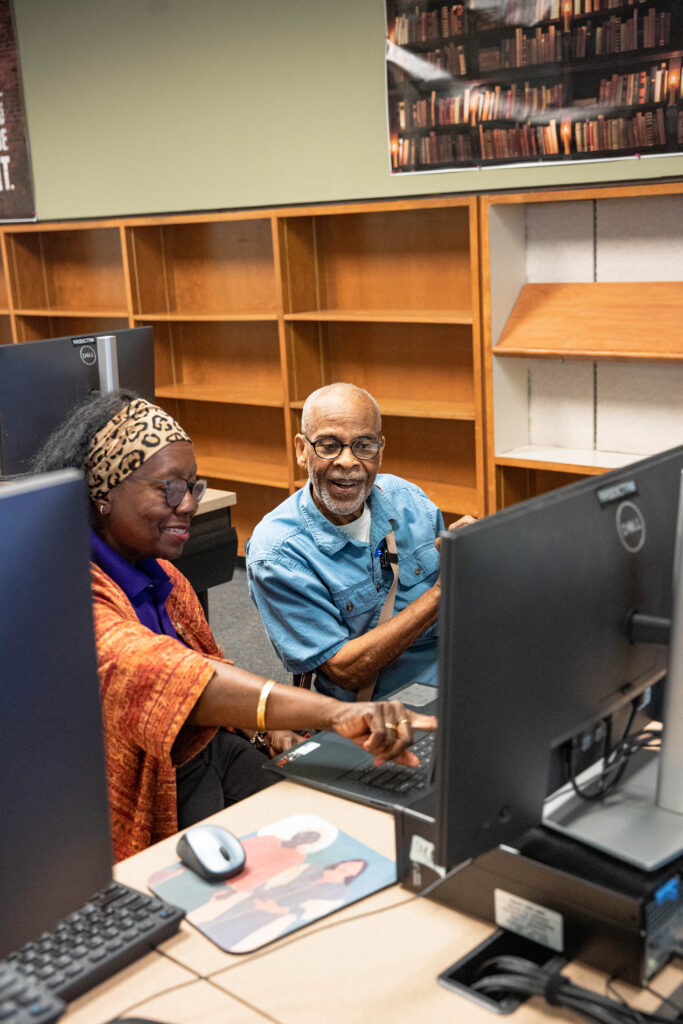
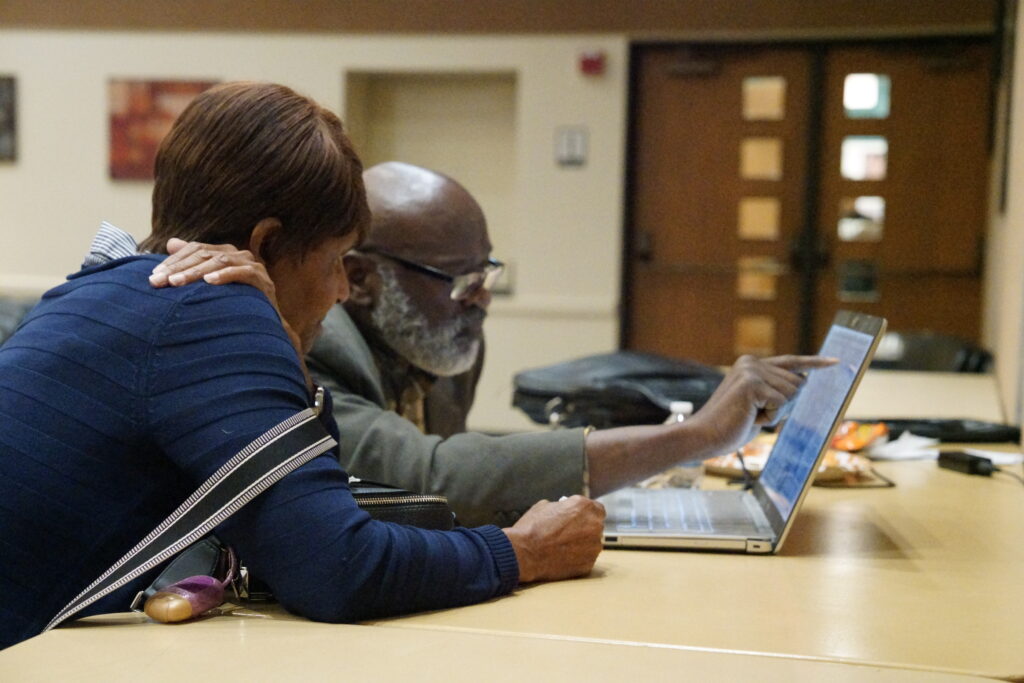
From May 29–31, 2025, Justice For Greenwood held its second annual genealogy workshop in Tulsa. Over three days, descendants from across the country met one-on-one with expert genealogists to trace family lines and access documentation related to Greenwood before and after the massacre.
The event is part of Stories of Us, a new initiative that elevates the voices of Black families engaged in generational recovery. As one participant told local reporters, “Everybody has a story. And if you don’t know your story, you don’t know your power.”
Read the full KJRH report
Reclaiming Records, Rebuilding Futures
This work is not symbolic. When a descendant finds their grandmother’s name on a roll, or sees a marriage certificate confirming land ownership, it changes what’s possible. It affirms what families have long said but could never prove. And it arms them with evidence to fight for justice on their own terms.
Every confirmed name is a line in the official record that was once missing. Every oral history is a primary source that adds dimension to a history too often told through silence.
At a time when efforts to restrict the teaching of Black history are escalating across the country, our work stands as a countermeasure—based in fact, built on evidence, and grounded in community.
Justice is not theoretical. It’s tangible. And for Black families in Greenwood and beyond, it often begins with knowing where you come from.
To learn more or connect with the We Are Greenwood ™ program, visit JusticeForGreenwood.org/genealogy or email [email protected]
