
by Angela Y. Walton-Raji
Lead Genealogist at Justice for Greenwood
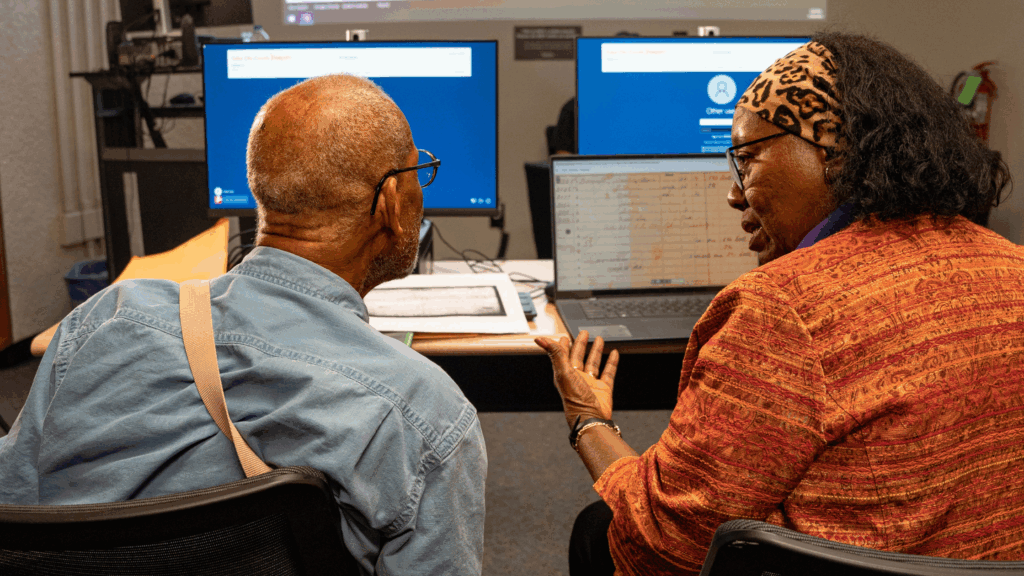
At Justice for Greenwood, with our genealogy project, we have explored different methods of documenting the story of our ancestors who survived. Looking at the documents that reflect the family’s legacy we see that they not only survived but also brought an amazing history with them.
For example, finding the family in Tulsa in the 1920s is a steppingstone to a more dynamic story. New questions can be formed that will open doors to a story of strength and resilience of the family lines from which the Tulsa ancestors come.
Many Tulsa Greenwood residents were home-grown, right here on Oklahoma soil. They weren’t migrants from other states. Their families had been rooted here for generations, with a history on this land long before 1921.
They were Oklahoma tribal Freedmen descendants, who had a dynamic past of having lived in Indian Territory since the 1830a and 1840s. Their parents and grandparents were once enslaved in the Five Tribes, and after the Civil War, and treaties were signed with the US, they lived and thrived as citizens of their respective Indian nations before moving to Tulsa for work.
As a result, many Greenwood families have a deep history in the Muscogee Creek and Cherokee Nations. In fact, the city of Tulsa today geographically rests in both Cherokee and Creek nations, with one of the city streets dividing the two nations. Thus the Greenwood community grew as the families of Oklahoma Freedmen settled there and contributed to the wealth of Black Wallstreet.
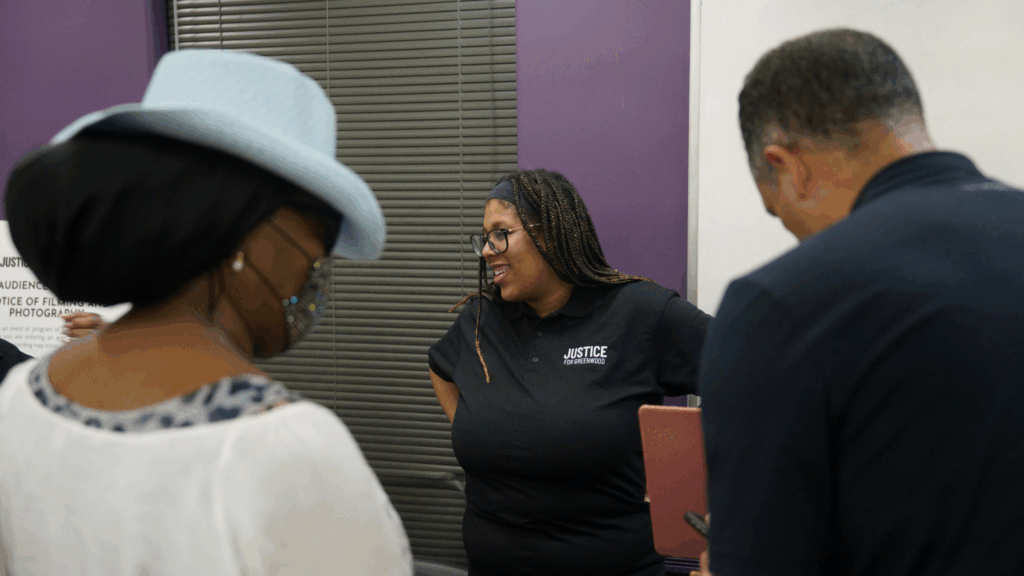
In addition to Creek and Cherokee Freedmen there was another part of the Greenwood community. Many residents were born in other states with their roots coming from the Great Migration. From the early 1900s onward, many African Americans left the deep south in search of better opportunities, and to escape rigid Jim Crow laws and restrictions that surrounded them in the deep south. Oklahoma offered promises to grow and to have the opportunity to establish generational wealth. Greenwood, often called Black Wallstreet, was a likely place for many to find their piece of that promise.
Greenwood presented, the opportunity for hundreds of blacks to own their own businesses and to carve out their piece of America’s dream. The Genealogy Project at Justice For Greenwood has exposed unique family histories, from tribal Freedmen to settlers from the Great Migration. Our project is committed to opening the doors to the past whether the families came from the Five Nations to the settlers from the Great Migration. Every family has a story and these are the Stories of Us.
To learn more about the genealogy project email us at [email protected]